Market Analysis
Perspectives on South African mining, infrastructure investment, and resources sector dynamics.
South Africa's Infrastructure Investment: Implications for Mining & Aggregates
February 2026
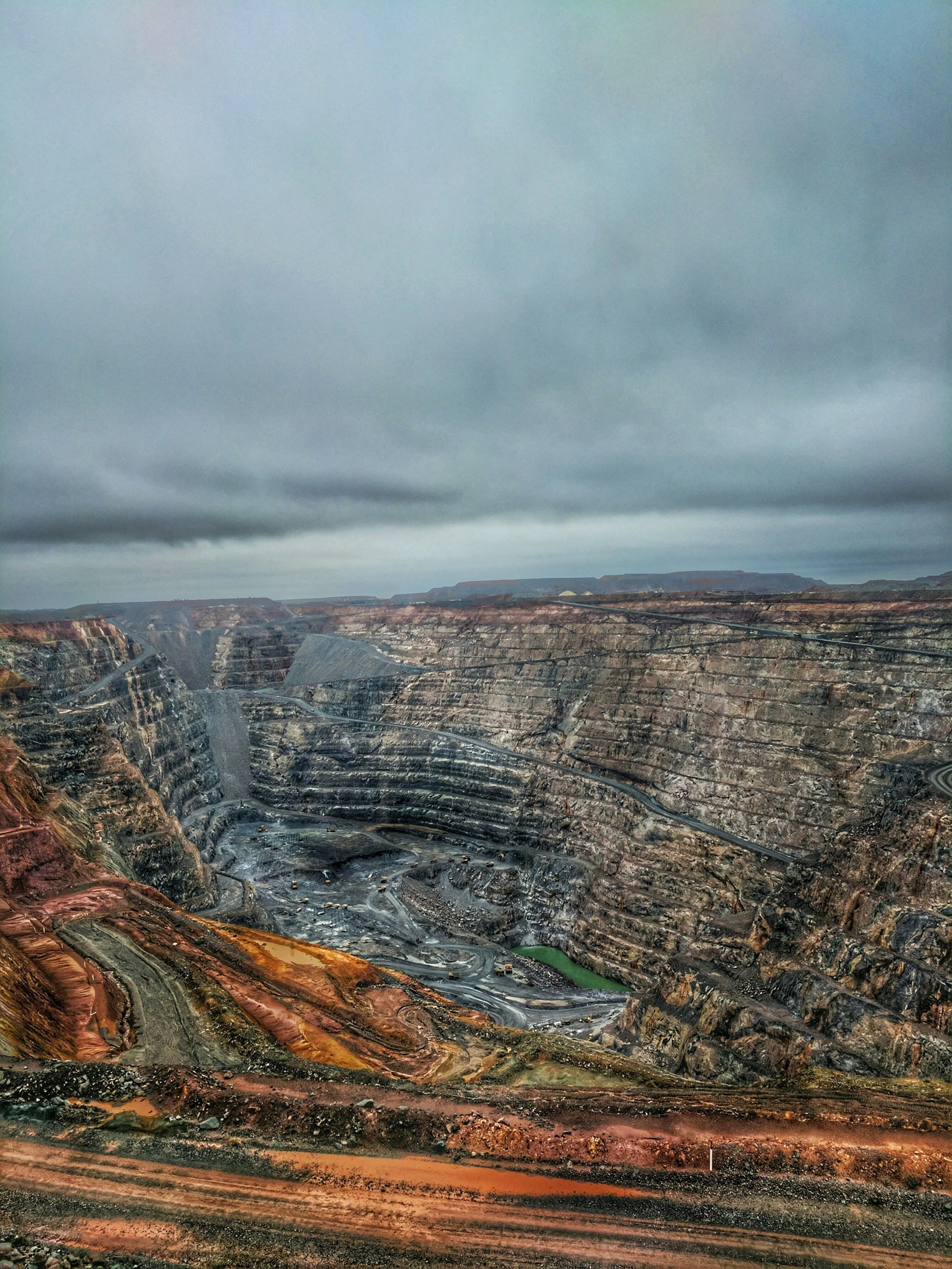
The South African government's R943.8 billion infrastructure commitment over three years creates sustained demand for construction materials.
This analysis examines aggregate demand implications, regional dynamics, and investment considerations for producers.
Infrastructure Allocation
The South African government's R943.8 billion infrastructure commitment over three years allocates R402 billion to roads, R219.2 billion to energy, and R156.3 billion to water and sanitation. Combined public and private sector investment totals R1+ trillion.
Demand Implications
Each R1 billion of infrastructure investment consumes 500,000-700,000 tons of aggregates. At R333 billion annually from public infrastructure alone, this creates approximately 200 million tons of annual demand—a 40-50% increase over baseline consumption.
Sector-Specific Drivers:
Roads infrastructure (R402B): Each highway kilometer requires 15,000-25,000 tons of aggregates. Rehabilitation consumes 8,000-12,000 tons per kilometer. SANRAL's R100 billion network maintenance allocation creates sustained multi-year demand.
Water infrastructure (R156.3B): The Mkhomazi Project (November 2027 construction start) will consume 3-5 million tons. Urban distribution upgrades provide additional steady demand.
Energy infrastructure (R219.2B): Renewable energy installations are aggregate-intensive. Each wind turbine foundation requires 800-1,200 cubic meters of concrete. Transmission infrastructure adds further demand.
Regional Concentration
Investment concentrates in Gauteng (35-40%), Western Cape (20-25%), and KwaZulu-Natal (15-20%). Operations within 50-80km of these centers benefit from transportation economics favoring local suppliers.
Investment Considerations
This environment creates opportunities for aggregates producers with established regulatory approvals, relationships with major contractors, operational scale to service large projects, and working capital capacity for government payment cycles.
Barriers to entry remain significant: 2-4 year permitting timelines for new quarries, capital requirements of R200-400 million, and relationship development requiring 1-2 years.
Established operators with permitted reserves, blue-chip relationships, and operational scale capture disproportionate value.